

In the race to keep production lines moving, some equipment choices don’t need fancy names or shiny upgrades; they just need to work. That’s exactly what kept coming to mind as I scrolled past listings of tunnel ovens for sale. These machines aren’t Instagram stars, but they’re the kind of quiet workhorses that keep businesses afloat. Let’s break down why tunnel ovens haven’t just stuck around. They’ve gotten smarter, more dependable, and frankly, less of a headache.
Built for Repetition, Not Reinvention
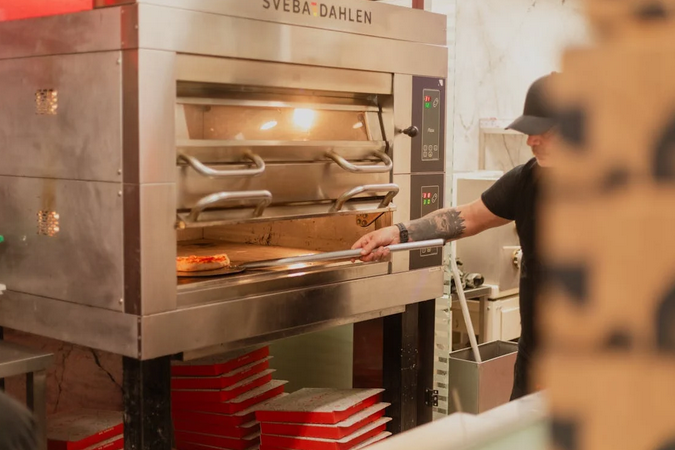
You don’t need to reinvent your process every shift. Tunnel ovens exist because some jobs demand consistency, not surprises. You load, you bake, you move on. That rhythm is what makes production smooth. No guesswork. No odd temperature spikes in the middle of a batch. It’s like a veteran line cook, doesn’t talk much, but the output never misses. These ovens may not win beauty contests, but they’ll never make you miss a delivery deadline.
More Control, Less Micromanaging
Here’s where modern designs have done their homework. You can tweak temperature zones, belt speeds, and even humidity levels. That doesn’t mean endless fidgeting. It means getting it right once and letting the oven hold steady. One operator told me, “I don’t want a touchscreen that acts smarter than I am. I just want to set it and let it earn its keep.” That sentiment’s catching on. A machine should be a partner, not a diva.
Downtime as the Real Enemy

Ask any manager what hurts output most, and they’ll mention breakdowns. Tunnel ovens, done right, don’t crumble under pressure. Fewer moving parts than you’d think, and components built to last longer than a trend. The truth? You’re better off spending your budget on something that reduces emergency calls. These ovens do exactly that. Regular cleaning and sensible maintenance are usually all it takes to keep the line humming.
Simple Maintenance That Pays Long-Term Dividends
Downtime ruins schedules faster than a burnt batch. Tunnel ovens, done right, are surprisingly low maintenance. The mechanical design keeps things straightforward. Parts don’t wear out like they’re made of paper. With a bit of upkeep and a good cleaning routine, these machines can run for years without drama. Compare that to systems that promise innovation but break if someone looks at them wrong.
Better Output Without Bigger Headaches

Scaling up production doesn’t always mean doubling your stress. With tunnel ovens, increasing volume often means adjusting belt width or line configuration, not reworking your entire system. You don’t have to teach your staff a new language just to bump output. That’s the appeal. The learning curve is more of a gentle slope.
An Invention That Earns Their Place on the Floor
It’s easy to chase whatever machine is making noise this quarter. But in a climate where budgets tighten and expectations grow, tunnel ovens are proving their worth again and again. They don’t demand attention; they just get the job done. For operators and decision-makers looking to upgrade without rolling the dice, tunnel ovens still hold their place. It’s not about looking cutting-edge. It’s about not burning the bread or the budget.